Reviewing Red White and Pregnant for July 4th Embroidery
As an embroidery designer who has spent years testing digital assets against the unforgiving reality of needle and thread, I approach every new machine embroidery design with a mix of curiosity and skepticism. We have all been there: downloading a file that looks crisp on a screen only to watch it pucker, distort, or lose its charm once it hits the fabric. This week, I put the Red White and Pregnant, 4th of July Mom design through its paces. My goal was not just to see if it stitches out, but to determine if it holds up as a viable product for small business owners, Etsy sellers, and crafters looking to capitalize on the summer holiday season.
First Impressions: Mood and Visual Personality
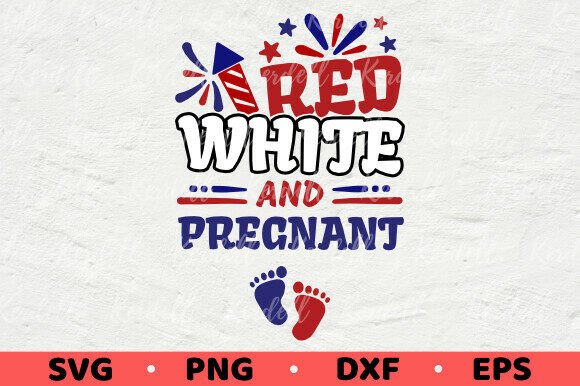
The first thing that strikes you about this piece is its playful yet patriotic tone. It balances the boldness of Independence Day themes with the softness expected in maternity and baby-related Illustrations. The layout feels intentional, avoiding the cluttered look that plagues so many holiday-themed Graphics. For a designer, this clarity is crucial. When we talk about visual personality, we are talking about how quickly a customer understands the message. This design communicates "celebration" and "expecting mom" instantly, which is vital for scroll-stopping power on social media or crowded craft fair tables.
The shape and detail level suggest a design that relies on clean lines rather than excessive density. In my experience, this is a smart move for seasonal items. Customers want something festive, but they also want comfort. A overly dense fill stitch pattern on a sweatshirt can feel stiff and heavy, whereas a balanced use of satin stitch borders and open spaces allows the garment to drape naturally. This design seems to respect that balance, aiming for a look that is decorative without being burdensome to wear.
Real-World Application: From Screen to Stitch
To truly evaluate the Red White and Pregnant, 4th of July Mom design, I moved beyond digital mockups and considered its application in real-life scenarios. I envisioned using this for a custom tote bag design intended as a hospital bag essential or a beach cover-up companion. The patriotic color palette—red, white, and blue—pops beautifully against natural canvas or white cotton. However, the true test lies in how it translates to different substrates.
For sweatshirt embroidery, this design offers a charming focal point on the left chest or a larger statement on the back. The theme fits perfectly into the niche of holiday embroidery for expectant mothers who still want to participate in family celebrations. I also considered its potential for baby embroidery projects, such as onesies or bibs. Here, the scale becomes critical. If the design includes fine details, they must be large enough to survive the wash cycle without tangling. As a reviewer, I advise checking the smallest elements of the embroidery file before committing to a production run.
Another strong use case is the embroidered patch. Patches are trending heavily in the handmade community right now. This design’s contained shape makes it an excellent candidate for iron-on or sew-on patches that can be added to denim jackets or diaper bags. This versatility increases the perceived value of the finished product, allowing makers to offer multiple product types from a single digital asset.
Navigating Technical Challenges and Fabric Choices
While the aesthetic appeal is strong, practical execution requires attention to detail. One area where designers must exercise caution is fabric texture. On textured fabrics like terry cloth towels or fuzzy fleece, fine details can get lost. If you are planning to use this on a personalized gift like a kitchen towel, ensure that the stitch density is appropriate. Too little density, and the fabric shows through; too much, and you risk perforating the material.
Stretchy fabrics present another challenge. For custom apparel like fitted t-shirts or leggings, proper stabilization is non-negotiable. I always recommend using a cut-away stabilizer for garments that will be washed frequently. This prevents the design from distorting over time. Additionally, when working with dark fabrics, consider how the thread colors interact. The "Red White" aspect of the design requires bright, high-quality threads to maintain vibrancy against navy or black backgrounds. A quick test stitch on scrap fabric is essential to verify that your red thread does not bleed or look dull under studio lighting.
Curved surfaces, such as caps or hats, require careful hooping. If this design is intended for headwear, ensure the width fits within your standard cap hoop. Trying to force a wide design onto a curved surface can lead to registration errors, where the layers of stitching do not align correctly. Always check the dimensions provided in the file package against your machine’s maximum hoop size.
Commercial Viability and Brand Consistency
For the Etsy seller or craft business owner, the ultimate question is: will this sell? The answer often depends on presentation. This design lends itself well to high-quality printable mockup creation. Because it is provided in formats like SVG and PNG alongside the embroidery files, you can create cohesive marketing materials that show the design on various products before you even stitch a single thread. This consistency builds brand trust.
The digital embroidery file package includes SVG, PNG, DXF, and EPS files. This is a significant advantage for hybrid creators who might want to use the image for sublimation on mugs or stickers while also offering embroidered items. However, it is crucial to read the licensing terms carefully. The description states you can print these images as many times as you need, but for commercial embroidery, always confirm whether the license covers finished physical goods or if it is limited to personal use. Clarifying this protects your small shop product line from legal issues down the road.
Practical Designer Notes for Best Results
Before you launch this design into your commercial embroidery workflow, keep these practical tips in mind:
- Test on Scrap Fabric: Never skip the test stitch. Use the same fabric and stabilizer combination you plan to use for the final product.
- Check Thread Contrast: Ensure your red, white, and blue threads have enough contrast against each other and the background fabric to maintain legibility.
- Review Stitch Density: Look at the color change sequence. If there are too many jumps or trims, it may increase production time unnecessarily.
- Inspect Small Details: Zoom in on the digital file. Are there tiny isolated stitches that might pull out during washing? If so, consider merging them or adjusting the underlay.
- Verify Licensing: Confirm that the license allows for the sale of finished physical items if you are running a business.
In conclusion, the Red White and Pregnant, 4th of July Mom design is a promising asset for the right project. It captures the spirit of the holiday with a specific, targeted appeal that resonates with expectant mothers. By paying attention to fabric choice, stabilization, and licensing, designers can transform this digital file into a standout handmade product that delights customers and enhances their brand reputation. Whether used for a boutique appliance or a personalized keepsake, this design proves that thoughtful selection of design assets is the foundation of successful embroidery work.